Last updated November 2026
Everyone sweats, but for some people it goes well beyond what heat or exercise would explain. Damp hands make paperwork and handshakes awkward, underarm marks show through work shirts by mid-morning, and feet can slip in shoes. This is hyperhidrosis, and it is more common and more treatable than many people realise. This guide covers what it is, when to see your GP first, and the treatment options available, including what is offered locally in Whanganui.
★View the Best Botox in Whanganui→What is hyperhidrosis?
Hyperhidrosis means sweating more than the body needs to control its temperature. Doctors usually describe two types.
Primary (focal) hyperhidrosis
This affects specific areas, most often the underarms, palms, soles of the feet or face. It often starts in childhood or the teenage years, tends to affect both sides of the body equally and can run in families. It is not caused by another illness, and it usually eases during sleep.
Secondary hyperhidrosis
This is sweating caused by something else, such as a medical condition, hormonal change or a medicine you take. It is more likely to affect the whole body, may start later in life and can happen at night.
DermNet’s overview of hyperhidrosis explains both types in more detail.
When to see your GP first
Because secondary sweating can point to another health issue, it is worth seeing your GP before booking any cosmetic or clinic treatment if:
- The sweating started suddenly or later in adult life
- It affects your whole body rather than particular areas
- You sweat heavily at night
- It comes with weight loss, fever, a racing heart or other new symptoms
- It began after starting a new medicine
Your GP can check for underlying causes and talk you through prescription options, some of which are only available through them.
Treatment options, from simplest to most involved
Stronger antiperspirants
- What it involves
- Products containing aluminium chloride, applied to dry skin at night
- Usually used for
- Underarms, hands and feet, as a first step
Clothing and habits
- What it involves
- Breathable fabrics, moisture-wicking socks, changing damp clothes and shoes
- Usually used for
- Everyday management alongside other options
Prescription medicines
- What it involves
- Options your GP may discuss, including tablets that reduce sweating
- Usually used for
- More widespread sweating, under medical guidance
Iontophoresis
- What it involves
- A mild electrical current passed through water while hands or feet are soaked
- Usually used for
- Palms and soles
Injectable treatment
- What it involves
- Small injections that temporarily block the nerve signals that switch on sweat glands
- Usually used for
- Underarms, hands, feet and forehead
Surgery
- What it involves
- Procedures on sweat glands or the nerves that control them
- Usually used for
- Severe cases where other options have not helped
How injectable treatment for sweating works
Injectable treatment uses a prescription medicine, given as a series of small injections just under the skin of the affected area. It works by temporarily blocking the signals that tell sweat glands to produce sweat. Because the effect wears off as nerve signalling returns, the treatment is repeated when sweating comes back, commonly after several months.
A few things worth knowing:
- It treats the specific areas injected, not the whole body.
- Results build over the first one to two weeks rather than appearing straight away.
- How long the effect lasts varies from person to person.
- Common side effects include tenderness and small bruises at the injection points, and the hands can feel temporarily weaker after palm treatment.
- It is a medical treatment, so you should expect a proper assessment of your health history first.
Living with hyperhidrosis day to day
Whatever treatment you choose, small habits help. Apply antiperspirant at night to completely dry skin, when sweat glands are least active. Keep a spare shirt or socks at work, choose loose natural fibres, and rotate shoes so they dry out fully. Many people find their sweating gets worse with stress, which is understandable when the sweating itself causes the stress, so it is worth raising the emotional side with your GP too.
Before any appointment, it can help to keep a short note for a week or two of when the sweating is worst, which areas are affected and what you have already tried. It makes the conversation with your GP or practitioner quicker and more useful, and it gives you a baseline to judge any treatment against.
Questions to ask before treatment
- Have other causes of my sweating been ruled out?
- Which areas will be treated, and how many injections are involved?
- Who will treat me, and what are their qualifications?
- What will it cost, and how often am I likely to need it repeated?
- What side effects should I watch for afterwards?
Where Full Circle Appearance Medicine fits
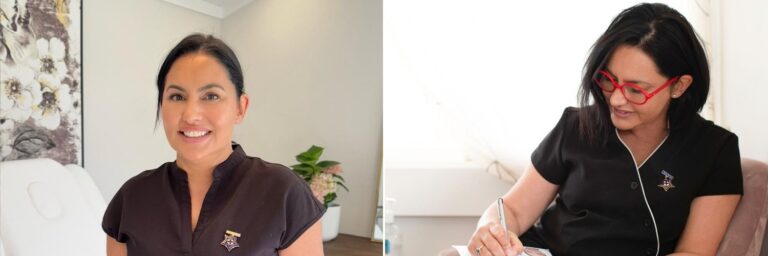
Full Circle Appearance Medicine, led by Registered Nurse Deborah Swann, offers treatment for excessive sweating at its Whanganui clinic at Ground Floor, 30 Drews Avenue. Treatment is planned after a personal consultation covering your concerns and health history, and the areas treated can include the underarms, hands, feet and forehead. Appointments usually take 30 to 45 minutes, pricing depends on the area and the amount of product needed, and individual results vary. You can start with a free consultation with Deborah.